Best Nepal Trekking for Beginners
Enter the world of trekking with these spectacular beginner-friendly routes in Nepal, offering an unforgettable experience of breathtaking views, rich culture, and gentle trails.
If trekking is your newfound dream but you are struggling to pick your first Himalayan adventure, this blog is all you need, as here we have shortlisted some of the beautiful beginner-friendly treks in Nepal. There are also some lesser-known (and therefore quieter) trails in the region.
Quick insights:
Maximum Elevation: 3210 meters
Trek Duration: 10 days
Trek Category: Easy
Accommodation Type: Teahouses and Lodges
Best Season: Spring (March to May), Autumn (September to November)
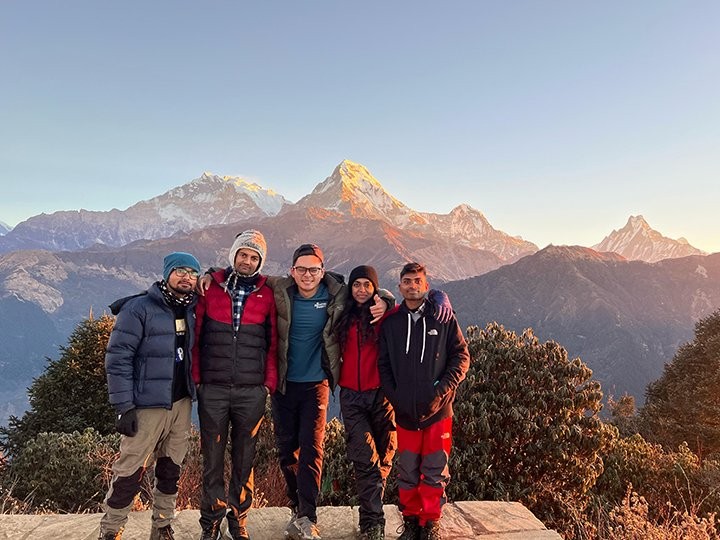
Ghorepani Poon Hill Trek is best recommended during the winter season and passes through Ghorepani and Ghandruk, which is extremely popular. This trek is very popular and classic, which takes you through the charming and isolated villages. You will enjoy the walk through the green vegetation and enjoy the incredible sunrise views over the highest snow-capped peaks, including Mt Dhaulagiri, Mt Manaslu, Mt Annapurna, and many other surrounding peaks. The major advantages of the Poon Hill trek are that it is very easily accessible and offers some very close-up views of the high snow-capped mountains without needing to ascend too high.
Quick insights:
Maximum Elevation: 4200 meters
Trek Duration: 5 days
Trek Category: Easy
Accommodation Type: Teahouses and Lodges
Best Season: Spring (March to May), Autumn (September to November)
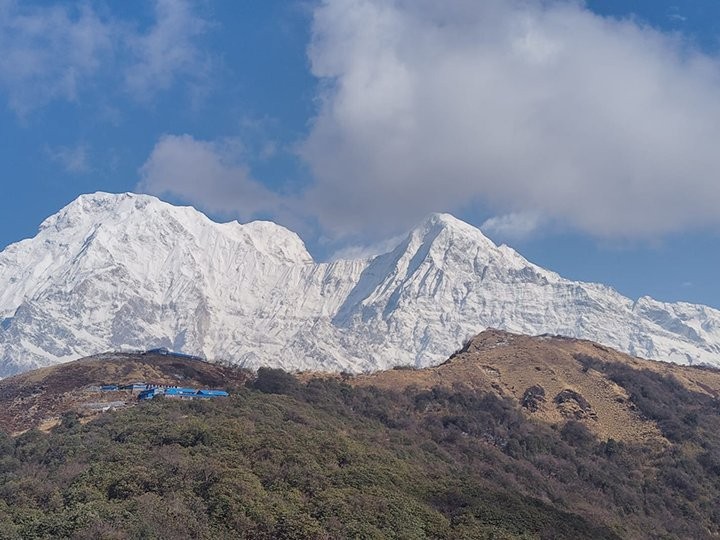
Mardi Himal Trek is also one of the most popular treks of Nepal, like the Everest and Annapurna Base Camp treks. Few trekkers put their interest to attempt Mardi Base Camp Trek, which is situated at the base of Mardi Himal and the beautiful and impressive Mt Machapuchre. The way or route to the Mardi Himal Trek goes along a small path through magical rhododendron forests; you can also see the high mountain Landscapes, amazing views of Mardi Himal, Machhapuchre, South Annapurna, and Hiunchuli.
Quick insights:
Maximum Elevation: 5,023 meters
Trek Duration: 7 days
Trek Category: Moderate
Accommodation Type: Teahouses and Lodges
Best Season: Spring (March to May), Autumn (September to November)
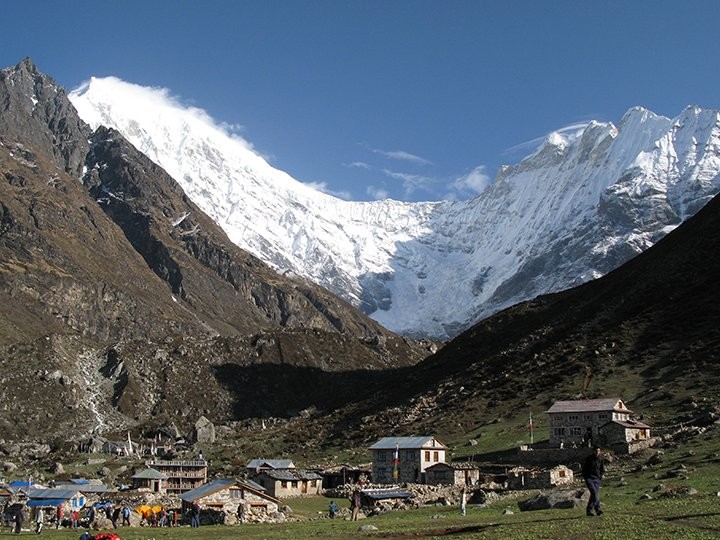
If you are looking for a trek through superb scenery, we would like to suggest you consider the Langtang region trek. It not only gives you an exceptionally rewarding experience but also an exceptionally rewarding experience gives you gentle and warm hospitality from the locals to blow away your tiredness.
Not too far from Kathmandu city, the classic Langtang Valley trek is worth visiting, as this trek offers you a remarkable journey through different topography and vegetation, through the scenically dramatic alpine region. This trek is best for those who want to have an adventurous experience within a very short period.
The trek starts at Syabru Besi and begins through the glorious forests beside the bank of the Langtang Khola. Walking through the dense forest covered with the blooms of rhododendrons, viewing the incredible snowy peaks, crossing the villages of the Langtang, exploring the monastery of Kyanjin Gompa, a unique cheese facility of the region, the sacred lake of Gosainkunda, and the high pass of Gosaikunda La is the major attraction of the trek. Climbing Kyanjin Ri / Cherko Ri to enjoy the panoramic views of the surrounding mountains and the environment.
Quick insights:
Maximum Elevation: 4130 meters
Trek Duration: 7 days
Trek Category: Moderate
Accommodation Type: Teahouses and Hotels
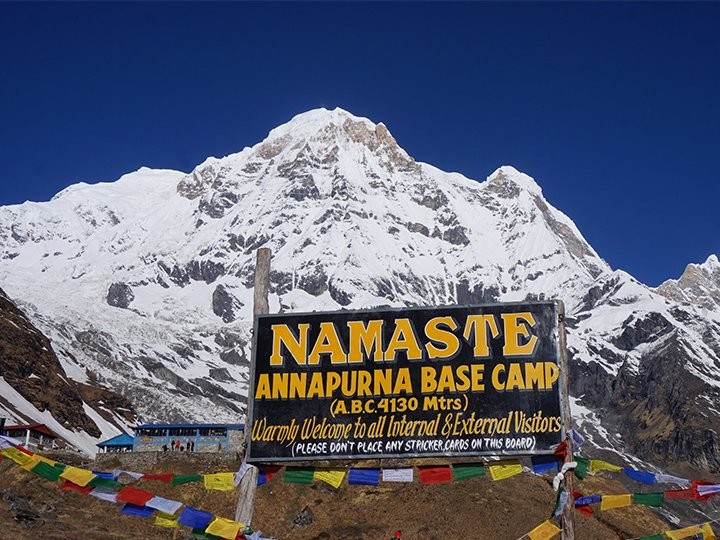
The Annapurna Base Camp is undoubtedly one of the most stunning trekking trails around the globe. Being the 10th-tallest massif, the journey to its base camp is something you must experience once in your lifetime, whether you are a trek lover or not. It is also notorious for its rugged terrain, as it is one of the deadliest mountains in Nepal besides Everest and Mount Manaslu. The sublimity of this place is no less impressive than heaven.
At 4,130 meters, Annapurna Base Camp greets you with a breathtaking 360◦ panorama of snow-crowned peaks, including the breathtaking Annapurna I, Machapuchhre, and Himchuli. Unlike other treks that test your limits, ABC offers you a moderately challenging route, blended with the invigorating uphill and the soothing hot springs at Jhinu Danda.
Major Highlights
• Annapurna Base Camp (4,130m): Base of the world’s 10th tallest mountain, Annapurna I (8,091m)
• Machhapuchhre Base Camp (3,700m): Base of the sacred Mt. Fishtail (6,993m), a virgin peak of Nepal
• Jhinu Danda (1,780m): Relaxing hot springs in a scenic forested village, Traditional Gurung villages with stone-paved trails, and cultural richness
• Major Peaks Seen: Annapurna I, II, III, IV, South, Machhapuchhre, Dhaulagiri I, Gangapurna, Himchuli, Dhampus Peak, Khangsar Kang, Varahashikar, Trake Kang
• Lush rhododendron forests, waterfalls, diverse wildlife, pristine rivers, and Varied terrains from subtropical forests to alpine landscapes.
Best Adventure and less crowded treks in Nepal
Like many travellers, I was mostly aware of Nepal as one of the world’s best trekking destinations. Trekking in Nepal is on many people’s travel bucket lists, and treks to Everest Base Camp and the Annapurna Circuit are legendary and attract many Himalayan hikers. But I wanted to start with a shorter and lower-altitude trek.
Quick insights:
Maximum Elevation: 5,364 meters (17,598 feet)
Trek Duration: 18 days
Trek Category: Challenging
Accommodation Type: Teahouses and Lodges
Best Season: Spring (March to May), Autumn (September to November)
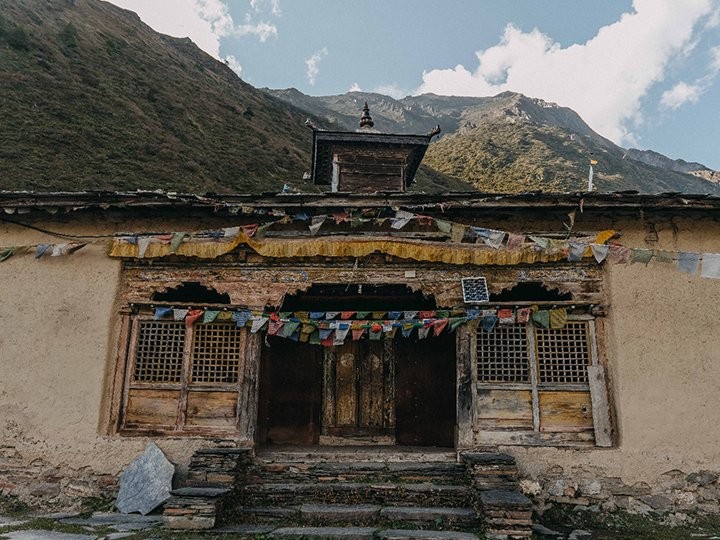
Tsum Valley is also listed as an off-beaten trek and the hidden valley of the Manaslu region. Tsum Valley was restricted to tourism until 2008; after that, it was opened as a trekking trail, preserving its rich culture and tradition. The Tsum Valley Trek combines the two challenging trekking routes in the most beautiful part of the Himalayas. The long trek includes more than two weeks of walking and offers panoramic mountain views, high passes, remote villages, monasteries, and Chortens.
The Trek begins with a gradual walk by the Budhi Gandaki River leading to the Tsum Valley, where we can explore the popular Mu Gompa and Rachen Gompa monasteries. Walking to Sama Gau, where we will have a rest and acclimatization day to be prepared to cross the challenging Larkya La pass. Larkya La Pass is a famous vantage point to enjoy the panoramic views of the Himalayan peaks and glaciers.
Highlights:
1. One of the off-beaten and less crowded treks done in the Northern Part of Nepal.
2. Walk to the hidden valley of the Manaslu region- Manaslu Tsum Valley Trek.
3. Beautiful experience of warm hospitality and cultural program.
4. Very safe for hikers in terms of altitude sickness.
5. Walk through the scattered villages of the Kumal, Gurung, and Magar villages through the dense forest of sal covered by blooms of rhododendrons.
Quick insights:
Maximum Elevation: 5,143 meters
Trek Duration: 21 days
Trek Category: Challenging
Accommodation Type: Teahouses and Lodges
Best Season: Spring (March to May), Autumn (September to November)
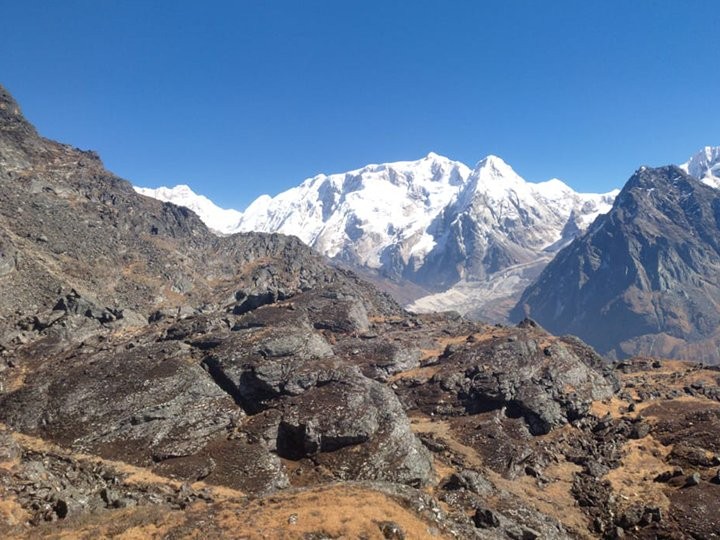
Kanchenjunga Base Camp Trek is challenging and one of the best treks in the Himalayas- the famous off-beaten path around the third-highest mountain in the world. This trek is only suitable for those who want to walk off-beaten paths and through the challenging natural landscapes. For most of the time, Kanchenjunga has been a mysterious region due to a lack of good accessibility.
The isolated trails take you through the remote Nepali and Tibetan villages and some scattered settlements along the way. Some of the trails are unreached, so there is a high chance that you may get lost if you try to walk solo without a professional guide by your side. Experienced trekkers who want to encounter the unreached and off-beat track should do this trek. The close views of Mt Kanchenjunga, along with the surrounding Tibetan and Nepali Himalayan ranges, include the Kabru range, Mera Peak, and other snow-capped peaks.
Quick insights:
Maximum Elevation: 5,600 meters
Trek Duration: 20 days
Trek Category: Challenging
Accommodation Type: Teahouses and Lodges
Best Season: Spring (March to May), Autumn (September to November)
Trek Permits: TIMS, Sagarmatha National Park Permit, Local Permit
Major Highlights: Close-up view of Mount Everest, Khumbu Icefall, Tengboche Monastery.
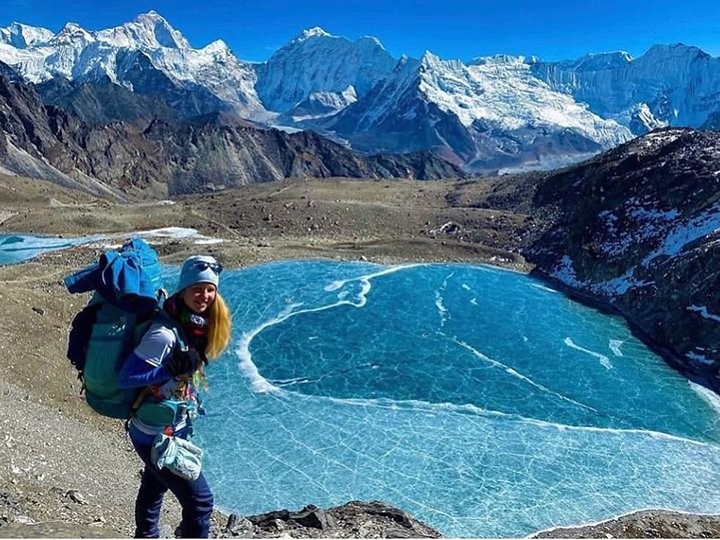
The Everest Three High Passes Trek is one of the best adventure trekking routes that takes you to the highest mountain passes and the amazing tour of the Everest (Khumbu) region. The walk takes you through the hidden gems of the Region. Trekking to the three breathtaking high passes of the region, Kongma La, Cho La, and Renjo La, the Everest Three Passes Trek is a perfect choice for the true adventure seeker, for the challenging and thrilling trek experience in the Everest region.
The major attraction of the Everest Three Passes Trek is the stunning views of the world's highest peaks of the world, Mt Everest, and the three passes themselves (Renjo La Pass, Cho La Pass, Kongma La Pass). Following the route, you will also reach the beautiful Gokyo Valley surrounded by lakes, which paves the way to reach the Cho La Pass. You will reach Cho La, which is located in the Khumbu Valley, standing at an altitude of 5420 meters. While walking to Cho La, you will also cross the Ngozumpa Glacier, the largest glacier in the Everest region. Also, the view of Renjo La and Kongma La pass adds glory to the trek.
• Renjo la Pass
Renjo La Pass is one of the highest passes of the Three Passes Trek, standing at the height of 5360 meters, and offers amazing views with an adventurous journey in a remote area blessed by nature. The Renjo La pass offers amazing views of Mt Everest (the highest mountain in the world, with a height of 8848 meters), Mt Nuptse, and Mt Makalu, making the trek very beautiful and adventurous. The route was recently built to make the pass easier.
• Cho La Pass
Cho La Pass is also another amazing pass of the Everest three-pass trek, which falls on the list. It is one of the highest passes in the Everest (Khumbu) region, which provides incredible views of the mountain, which stands at a height of more than 8000 meters. Offering a beautiful and adventurous experience with some challenging paths. The scenery of the iconic snowy peaks, Glacier Rivers, and lakes, the sharp culture, and tradition here is very amazing and breathtaking too.
• Kongma La Pass
Kongma La is also the highest pass of the Three Passes trek, which stands at an altitude of 5528 meters and offers unbelievable panoramic views of the mountains. The route to the Kongma La Pass is normally less crowded and less visited by people, so it is quite challenging for all. The route to the Kongma La Pass passes through the beautiful and isolated village of Chhukung, which gives the most stunning views of the snowy peaks. The adventurous paths and the wonderful views of nature make the pass a fruitful place to trek.
Quick insights:
Maximum Elevation: 5,033 meters
Trek Duration: 17 days
Trek Category: Challenging
Accommodation Type: Teahouses and Lodges
Best Season: Spring (March to May), Autumn (September to November)
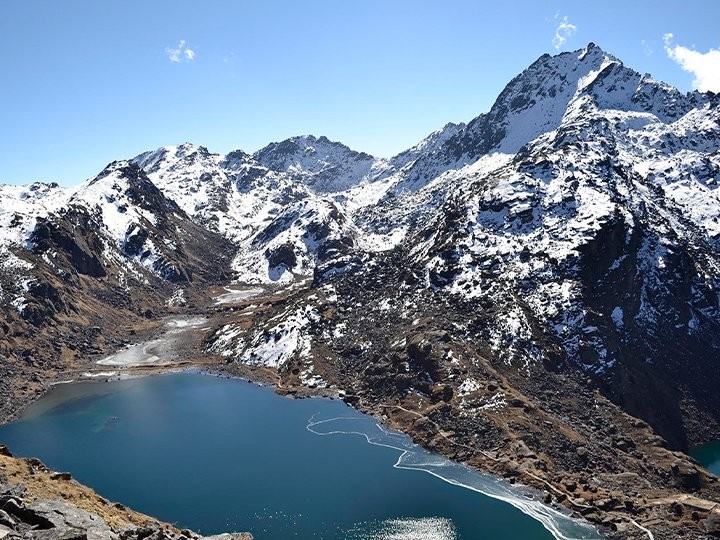
Langtang Gosainkunda trek is for those who want to do adventurous treks, scenic high-altitude lakes, including Gosainkunda Lake & Himalayan glaciers. Gosaikunda Trekking features a glorious adventure with breathtaking views of the Himalayan ranges, including immediate insight into the ethnic Tibetan culture and lifestyle. That’s exactly what the Gosaikunda Trek delivers. Often hailed as one of Nepal’s more approachable yet stunning treks, it offers everything from dense rhododendron and bamboo forests to high-altitude alpine landscapes and glacial valleys. If you are wondering how tough the Langtang Gosaikunda Trek really is, the answer is in that sweet spot of moderate to challenging. It is demanding enough to feel like a real Himalayan adventure trek, but not so difficult that it’s only for hardcore trekkers. This route blends well-established tea house trails through Langtang Valley with high-altitude sections as you move toward Gosaikunda.
Nar Phu Valley Trek
Quick insights:
Maximum Elevation: 5320M.
Trek Duration: 12-16 days
Trek Category: Challenging
Best Season: Spring (March to May), Autumn (September to November)
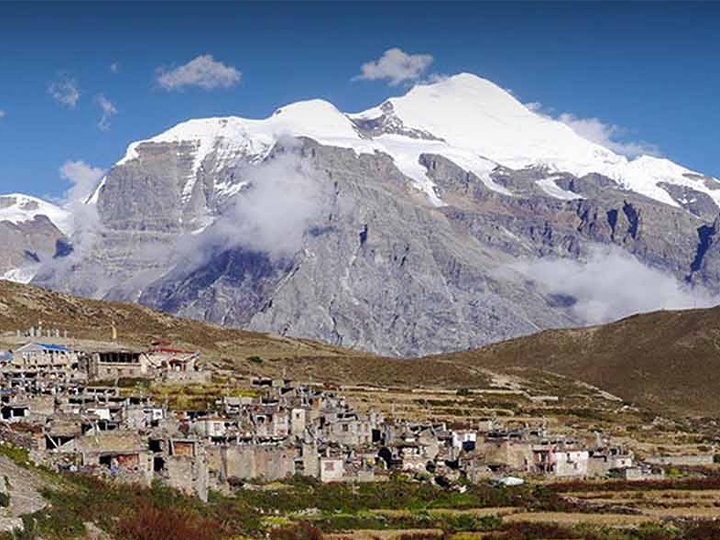
Nar Phu Valley Trek is the shortest off-beaten trek in Nepal, which falls between the Annapurna and Manaslu trekking regions. The trek is just recently introduced, so it is likely to witness a very small number of trekkers around the year. This remote trek takes you to the wilderness of two beautiful villages, Nar and Phu.
The isolated Nar and Phu villages are two of the hidden Buddhist settlements in the northwestern region of Nepal. Walking along dirt roads to the rural villages is a unique experience of the journey. The best reason to trek Nar Phu Valley is to experience the remote village lifestyles and Tibetan Buddhist culture in a very short period. You can see some small and scattered settlements in the barren land beyond a few recently built tea houses.
Pikey Peak Trek
The Pikey Peak Trek is a newly explored trekking route to the Everest region. This trek takes you to beautiful areas in the Everest region inhabited by the Sherpa people. This trek is a moderate, beginner-friendly trek in the lap of the mighty Himalayas, Solukhumbu, offering stunning views of Mt. Everest, Makalu, and Kanchenjunga from 4,065m (13,335 ft) for a relatively short duration (6-10 days). Pikey Peak is the best alternative to overcrowded treks, which start from Dhap (a drive from Kathmandu). It's known for its accessible, less-crowded trails, rich Sherpa culture, ancient monasteries, and beautiful rhododendron forests, making it a great alternative to busier treks, especially in spring and autumn.
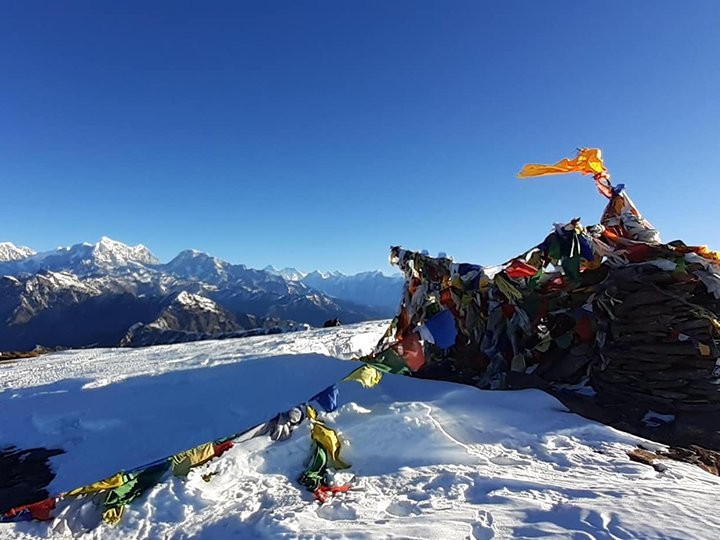
A 6-day Pikey Peak Trek Itinerary, Altitude, and Distance
Day 1: Drive from Kathmandu to Dhap Village 2932 m/ 9619.5 ft. 230 km/ 143 miles 8 hrs
Day 2: Trek from Dhap Village to Jhapre 2920 m/ 9580 ft. 11.1 km/ 6.9 miles 6 hrs
Day 3: Trek from Jhapre to Pikey Peak Base Camp 3640 m/ 11942 ft. 13.7 km/ 8.5 miles 6-7 hrs
Day 4: Trek to Pikey Peak & Descend to Jasmane 3530 m/ 11581 ft. 5 km/ 3.1 miles 5-6 hrs
Day 5: Trek from Jasmane to Junbesi Village 2700 m/ 8858 ft. 11 km/ 6.8 miles 6 hrs
Day 6: Trek to Phaplu & Drive to Kathmandu 1400 m/ 4593 ft. 280 km/ 170 miles 13 hrs
Rolwaling Valley Trek
Rolwaling Valley Trek is a newly discovered and less crowded trekking route in Nepal, known for its natural beauty, diverse flora and fauna, and Sherpa culture. It offers a unique opportunity to explore the raw, natural beauty of the less-trodden Rolwaling Valley in the eastern Himalayas of Nepal. And the chance to interact with the warm-hearted people who live here. This incredible journey takes trekkers through a diverse range of landscapes as they traverse rugged terrain. What separates treks in the Himalayas of Nepal from others is the rich tapestry of culture that awaits you. No matter how remote the mountains, you will always find settlements that have been around, where people are still the embodiment of these cultures. All this in the backdrop of some of the highest mountains in the world. Landscapes that make you question whether you are in a dreamlike reality or a lifelike dream. The trek to Cho Rolpa Lake is a special experience.
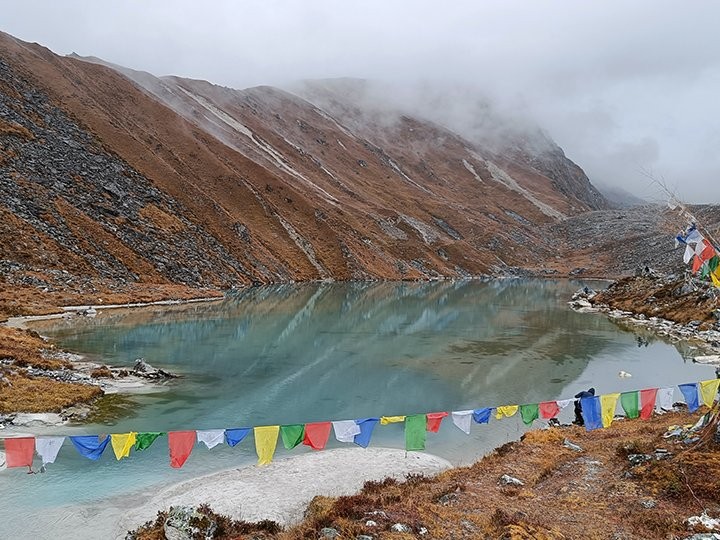
Rolwaling Valley Trek Itinerary, Altitude, and Distance
Day 1: Arrival Kathmandu
Day 2: Drive to Dolakha and to Chetchet 10hrs/1500m
Day 3: Trek to Simigaun 3-4hrs, 2036m/6680ft
Day 4: Trekking to Kyalche 5-6hrs, 2760m/9055ft
Day 5: Trek to Beding 7-8hrs, 3740m/12270ft
Day 6: Acclimatization at Beding
Day 7: Biding to Na village 4hrs, 4180m/13714ft
Day 8: Detour to Tsho-Rolpa LakeTime 4-5hrs, 4540m/14895ft
Day 9: Na to Dongang 7-8hrs, 2790m/9154
Day 10: Dongang to Chetchet. 8hrs, 1500m/4921ft
Day 11: Drive back to Kathmandu. 10hrs, 1350m/4429ft
Day 12: Your final departure.
Tamang Heritage Trail Trek
Quick insights:
Maximum Elevation: 5,364 meters (17,598 feet)
Trek Duration: 12-16 days
Trek Category: Challenging
Accommodation Type: Teahouses and Lodges
Best Season: Spring (March to May), Autumn (September to November)
Trek Restrictions: None
Trek Permits: TIMS, Sagarmatha National Park Permit, Local Permit
Major Highlights: Close-up view of Mount Everest, Khumbu Icefall, Tengboche Monastery.
The Tamang Heritage Trek is a cultural journey of the Langtang Region and the hot spring with beautiful scenery of the Langtang Himalayas. This Trek is a newly discovered trail in the Langtang Region, Nepal. It is a cultural trek through the ascent of Tamang villages in Langtang with beautiful panoramic views of the Himalayan range. This trek is one of the best routes in the world to experience the centuries-old culture. Further, explore the wilds of Langtang National Park on an unforgettable trekking adventure.
Quick insights:
Maximum Elevation: 5,000 meters
Trek Duration: 28 days
Trek Category: Challenging
Accommodation Type: Teahouses and Lodges
Best Season: Spring (March to May), Autumn (September to November)
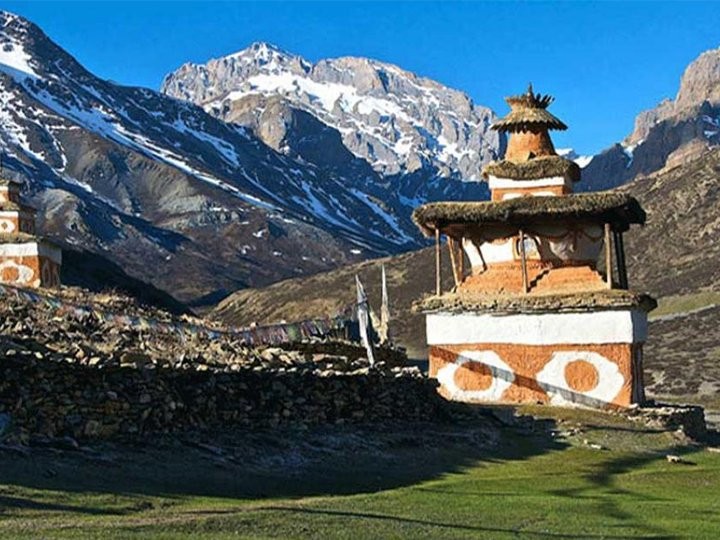
The adventure journey to the Upper Dolpo takes you to the home of the age-old Buddhist monasteries in the world, with the unspoiled Buddhist and Tibetan culture of the region. Obstacles are there in every footstep due to the lack of good infrastructure. But the Upper Dolpa trek is best for those who are looking for a thrilling and adventurous journey in the remote corner of Nepal. Compared with Lower Dolpa, the landscapes and the villages here are more desolate.
The walk also offers you beautiful views of Phoksundo Lake- a lake covered by iconic snow-capped peaks and forests- and exploring the Shey Phoksundo National Park- home to some of the rarest Himalayan animal species, including the snow leopard, Himalayan Thar, and a few others.
If you are looking for a less crowded and adventurous journey far from the busy city, where only local people with their unspoiled culture and unique traditions are, the Upper Dolpa trek is best for you
Popular trekking trails in Nepal
Quick insights:
Maximum Elevation: 5,364 meters (17,598 feet)
Trek Duration: 15 days
Trek Category: Moderate to challenging
Accommodation Type: Teahouses and Lodges
Best Season: Spring (March to May), Autumn (September to November)
Major Highlights: Close-up view of Mount Everest, Khumbu Icefall, Tengboche Monastery.
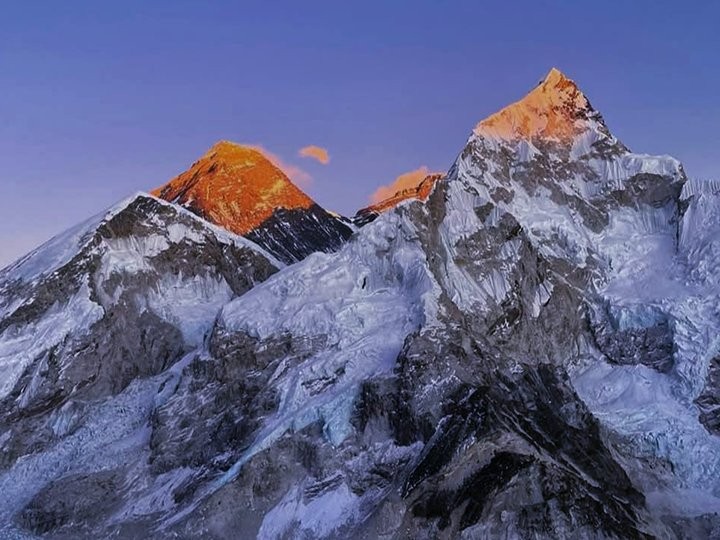
Everest Base Camp is one of the most popular trekking routes in Nepal, which takes you to the lap of Mt Everest. No matter which corner you are in this beautiful world, you must have heard about the world's highest mountain, Mt Everest, standing at 8848 meters above sea level. The trek is not only to experience the views of the highest snow-capped mountains but also to offer the golden opportunity to observe Sherpa culture. With the perfect scenery of waterfalls, Khumbu Glacier, as well as amazing views of Everest and Lhotse. Everest Base Camp Trek is one of the most remarkable treks in the country.
With a short flight to Lukla and taking the adventure walk crossing the dense green forest of oak, pine, bamboo, and sal covered with the blooms of rhododendrons, walking through the suspension bridges joining the two hills, just above the fast-flowing rivers, is a thrilling experience during the walk. Walk through villages covered with dense Sherpa settlements like Phakding, Namche Bazaar, Tengboche, and Dingboche to reach Gorakshep (Everest Base Camp).
Visiting the most majestic places like the Tengboche monasteries, viewing the Khumbu Glacier, hiking Kalapather, and enjoying the panoramic views of the surrounding snowy peaks, including Everest, Lhotse, Nuptse, and many more.
Moreover, the peaceful Sagarmatha National Park adds extra value to the journey.
Quick insights:
Maximum Elevation: 4130 meters
Trek Duration: 14 days
Trek Category: Moderate
Accommodation Type: Hotel, Teahouses, and Lodges
Best Season: Spring (March to May), Autumn (September to November)
.jpg)
Second to the Everest Base Camp in terms of popularity, the Annapurna Base Camp trek offers stunning views of its sister peaks as well as Himchuli and Machhapuchhre; the ranges offer one of the most incredible views of the snow-capped vistas in all of the Himalayas.
Walking through the cultivated wheat fields and terraced rice paddies, enjoying the pristine and verdant landscapes of the rhododendron forest, and the wonderful waterfalls. Annapurna Base Camp Trek is the best trekking destination to enjoy the Magar and Gurung culture, best for adventurous lovers.
With the appropriate permit to trek in the Annapurna region, the trek starts with a 6-hour drive from the Capital city (Kathmandu) to Pokhara (the beautiful lake city of the country). Enjoy the picturesque hike through the lush forest covered with the blooms of rhododendrons, crossing many suspension bridges, crossing many scattered villages of Gurung and Magar, and enjoying the panoramic views of the snowy Himalayas.
Poon Hill -the attractive viewpoint of the trek, which offers beautiful views of the snowy peaks of Mt Annapurna, Dhaulagiri, Himchuli, Machhapuchre, and many other surrounding peaks. The main plus point of the Annapurna Base Camp Trek is that it not only takes you to the Annapurna Base Camp but also takes you to the Machhapuchre Base Camp through the same routes.
Quick insights:
Maximum Elevation: 5,416 meters
Trek Duration: 14 days
Trek Category: Moderate to challenging
Accommodation Type: Teahouses and Lodges
Best Season: Spring (March to May), Autumn (September to November)
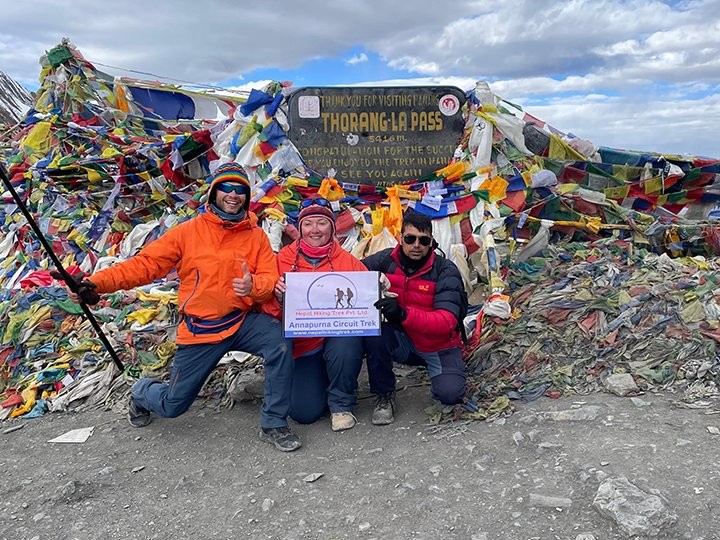
Annapurna Circuit Trek is one of the most popular classic walks to the Himalayas and one of the best treks in the Himalayas- the famous off-beaten path. Experience the natural and cultural diversity of Nepal; the trek follows the route of the Marshyangdi Valley and the deepest gorge in the world, Kali Gandaki, and goes to the highest snow-capped pass in the world. Thorong La Pass.
The journey starts with a beautiful drive from Kathmandu to Chame. From Chame, the trail climbs to Pisang, passing through Dharapani. The walk follows the Marshyangdi River valley to Manang and climbs to Throng La Pass via Yak Khalkha.
Thorong La Pass is the highest pass of the Annapurna Circuit Trek, which offers panoramic views of Mountains and glaciers. The walk also takes you through Muktinath- a holy place for Hindus and Buddhists and the trek ends with a walk back to Pokhara.
Highlights:
1. The Highest Pass in the world is Thorong La Pass.
2. Variety of natural vegetation and landscape.
3. Pisang and Manang Valley.
4. Muktinath- a popular holy place in the region
5. Jaw-dropping views of snow-capped mountains, including Annapurna Ranges (Mt. Annapurna I, Annapurna South), Mt. Himchuli, Mt Machhapuchhre, and other surrounding peaks.
6. Traditional lifestyle and cultures.
Quick insights:
Maximum Elevation: 5,350 meters
Trek Duration: 12-16 days
Trek Category: Moderate to challenging
Accommodation Type: Teahouses and Lodges
Best Season: Spring (March to May), Autumn (September to November)
.jpg)
The Gokyo Trek is the most adventurous trek in the Everest Himalaya, which follows the high Cho La pass into the Base Camp of Mount Everest. This route follows the Dudh Koshi (Himalayan Beauty, Nepali traditional village, and the valley) and the Khumbu valley, which is the homeland of the Sherpa people, to the Gokyo valley, which includes breathtaking views of four 8,000m peaks like Mt Everest, Cho Oyu, Makalu, and the Largest glacier in Nepal. We can visit the Gokyo lakes before following the high route pass of Cho La into the Base Camp of Mount Everest.
Quick insights:
Maximum Elevation: 5,545 meters
Trek Duration: 15 days
Trek Category: Challenging
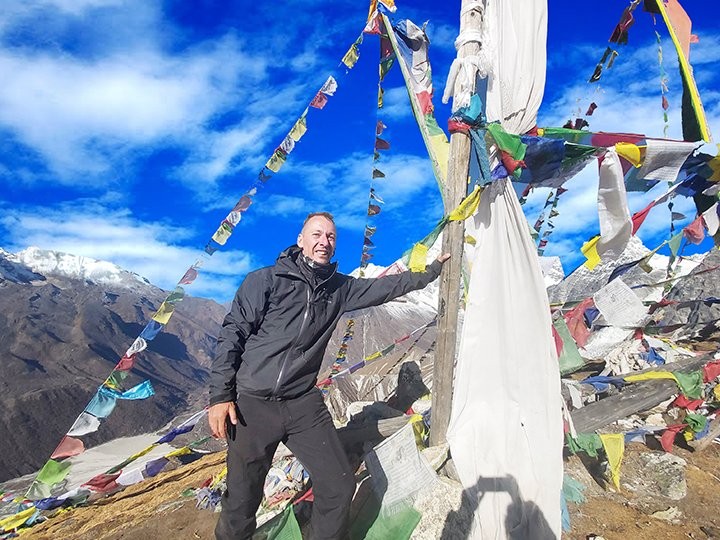
If you are looking for an adventurous hike in the mountain region of the country, then Everest Base Camp with Gokyo Valley Trek is the best choice for you. It is the perfect trek in the Everest region, which offers dramatic landscape views, glaciers, and charming villages. During the trek, the warm hospitality and pristine culture of the Sherpas will blow away your tiredness. The matchless variety of flora and fauna of UNESCO World Heritage Sites is listed in Sagarmatha National Park.
The trip starts with a dramatic flight from Kathmandu to Lukla. From here, the real walk begins with the same-day hike to the village of Phakding, after which the trails lead on through the rhododendron forest to the Sherpa capital of Namche Bazaar- also known as the gateway to the Everest region. Spending a day resting and acclimatizing to get familiar with the altitude and atmospheric pressure gives you the golden chance to be familiar with the places and the people. The views from the age-old monastery of Tengboche on the following day. Clear views of the distant snowy peaks of the Himalayas.
Walking through Dingboche to reach Gorakshep, Everest Base Camp. Kalapather nearby offers majestic panoramic views of the entire region from Everest, Lhotse to Nuptse, Ama Dablam, Pumori, and other surrounding snowy peaks.
Cho La pass is the highest and most challenging pass of the trek, which offers an impressive view of the snowy peaks before reaching the final destination, Gokyo Valley and its beautiful high-altitude lakes. The climb to the Gokyo Ri offers magnificent views of Everest, Lhotse, Makalu, and Cho Oyu, which are comparable to those from Kala Patthar, with amazing views of sunsets. Finally, back through the villages of Machermo, Dole, and Mong Danda to Namche and then Lukla for the return flight to Kathmandu.
Quick insights:
Maximum Elevation: 5,364 meters
Trek Duration: 12 days
Trek Category: Challenging
Accommodation Type: Teahouses and Lodges
Best Season: Spring (March to May), Autumn (September to November)
Trek Permits:
Manaslu Restricted Area Permit (MRAP).
Manaslu Conservation Area Permit (MCAP).
Annapurna Conservation Area Permit (ACAP).
Tsum Nubri Rural Municipality (local government) Permit.
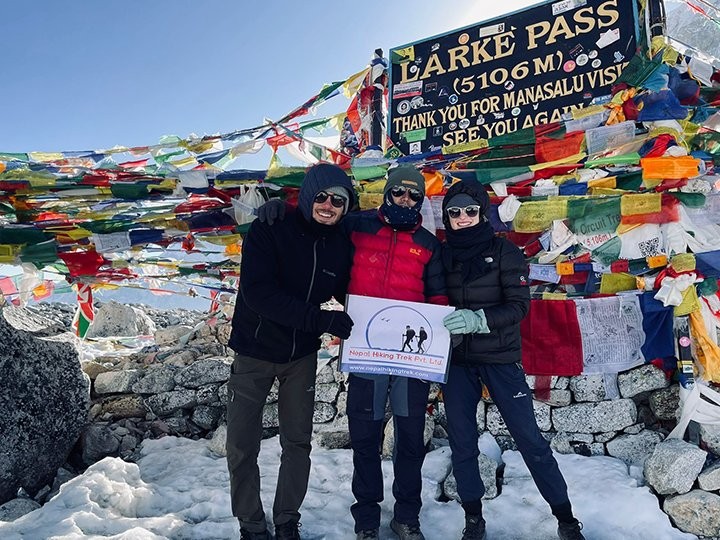
If you are looking for an off-beaten trek in Nepal, then the Manaslu Circuit trek is one of the best remote region treks for you. The trek recently gained popularity and gained its reputation as an outstanding wilderness experience; the improved transportation and tea houses along the trek make the walk quite easier in terms of accommodation and meals. Manaslu Circuit Trek is the best trekking route through the banks of the rivers, walking through the rivers up and down, enjoying the stunning views, crossing the sub-tropical forest covered with blooms of rhododendrons, which takes you on a thrilling and epic journey.
The Manaslu Circuit Trek starts after a drive from Kathmandu to Arughat (Gorkha district) and proceeds through the densely forested paths, along the bank of the river Budhi Gandaki. Traveling to Jagat, here begins the steady climb to higher altitude, leaving behind the charming villages of Namrung, Sama Gaon, Samdo, and other scattered villages of the region.
Quick insights:
Maximum Elevation: 4,030m
Trek Duration: 13 days
Trek Permits: TIMS, Upper Mustang Restricted Permit, Annapurna Conservation Area Permit Fee (ACAP)
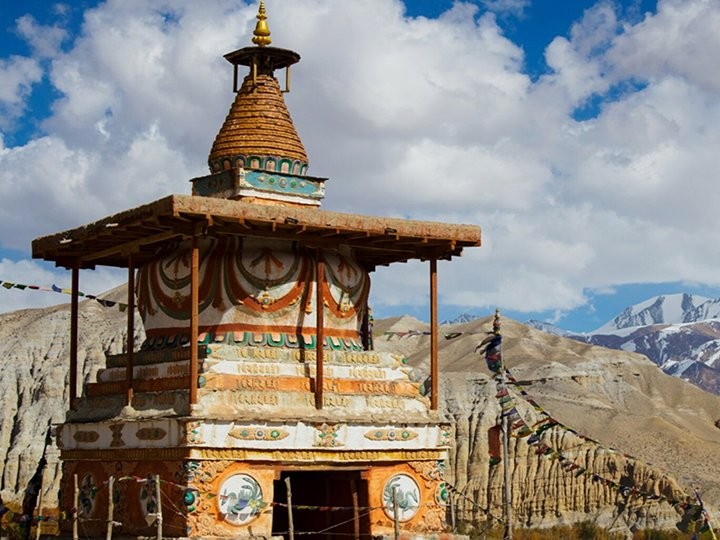
Trekking in Nepal, wondering about the remoteness of the region, Upper Mustang crosses your mind first in your trekking list as an off-beaten trekking route. Upper Mustang, a former Himalayan Kingdom of Mustang, also known as Lo. One of the most beautiful and mysterious areas of the region. This region is not so much touched by the outside world and has the most preserved ancient Tibetan culture in the world. While you are trekking, you will be walking through the rough landscapes, enjoying the majestic views of the snow-capped mountains. The Mustang region lies in the rain shadow, so this region is suitable for trekking throughout the year.
In Upper Mustang, you can see stunning landscapes with rocks of all colors, beautiful scattered whitewashed houses, unique stupas, and gompas. The attraction of the Upper Mustang trek is Lo-Manthang – the capital of the kingdom of Upper Mustang. Explore the rich ancient Buddhist culture with many prayer flags and hidden stupas. Trekking in this region is very fruitful. Upper Mustang must be visited if you want to trek in Nepal in 2026.
Best time to trek in Nepal
Autumn and Spring are seasons are considered the picking season to trek in Nepal, but trekking in Nepal is possible at any time of the year. It depends on where and how high you would like to trek. But you may feel confused about choosing the best months that suit your physical fitness and many other requirements, so here are some guidelines for the country's seasons created to help you choose the best time of the year to explore in Nepal.
If you are planning to trek in Nepal, then you must learn about the season to decide the best time to enjoy the adventure trekking in Nepal. There are some major things that you should look at when deciding the best time to trek in Nepal: crowds in the trekking trails and the weather conditions of trekking areas.
Autumn season (September, October, November)
The months of September, October, and November fall in the autumn season. The autumn season is like the spring season, as most of the trekking trails are very crowded, and one of the best times to enjoy adventure trekking in Nepal.
The weather is very beautiful, and the temperature is also quite stable and comfortable. But sometimes you will experience hot weather above 3000 meters, and also in early September, there is quite a possibility of showers. The average temperature in the uphill and the lower mountain ranges from 15 °C to 24°C, and the average temperature ranges from 20°C on sunny days to -10°C in the morning and in the evening at high altitude above 4000 meters.
The autumn season is the best season to go trekking in Nepal because of the clear weather and the skies. You can also enjoy the cool temperature with pretty good weather, with clear, crystal views of the snow-capped mountains.
As this season is considered the peak season to trek in Nepal, the trekking trails are crowded, so you can expect the prices to be slightly higher compared to trekking in another season. Most of the teahouses are full, which makes little challenging to trek at high altitude.
Spring season (March, April, May)
The months of March, April, and May fall in the spring season and are characterized by longer days, shorter nights, and warmer temperatures. The spring season is the peak season to trek and travel, as in this season, the landscapes in Nepal change their color according to the altitudes, from reds to pinks and white, and forests from brown to green. This makes higher-altitude trekking more interesting, attractive, beautiful, and relaxed.
The average temperature in the lower mountain region ranges from 16 °C to 23 °C. The months of May are the warmest months of the year, but it brings the cloud and light rain (showers) before the monsoon season arrives.
It is quite warm at the lower altitude and moderate at the high altitude over 4000 meters. This month provides stunning views of the snow-capped mountains. You might also experience the light snow-shower at the month of March, as the winter season is most likely steady and it is the end of winter.
Due to the stable and beautiful weather, almost all popular trekking trails are very busy, and the tea houses are almost all booked.
Almost all the popular trekking trails of the Everest Region, such as Everest Base Camp Trek, Everest Three Pass Trek, and Everest Gokyo Lake Trek, and the Annapurna Region, such as Annapurna Base Camp the trek is suitable for trekking during these months or seasons.
Winter season (December, January, February)
The months of December, January, and February fall in the winter season; the days will be shorter, and there is a lot of snow, so this season is not recommended for trekking at high altitude, as it brings more difficulties and challenges.
The weather is fairly stable and almost dry, but it is quite possible to trek the classic route like the Everest Base Camp. If you are an extreme adventure lover and want to experience a bit of risk and challenge, trekking in the winter season will be the best for you. If you want to trek to Everest Base Camp in this season, then the overnight temperature ranges from- 20 °C to- 30 °C.
The coolness of the weather depends on how high you want to trek, but if you want to hike at a low altitude or want to stay below, then the temperature remains moderate.
The views of the snow-capped peaks are often covered with snow and offer you a great opportunity for enjoying the snowy scenery.
During trekking in the winter season at high altitude, remember that the route in the high altitude and the high passes are closed due to high snow levels, and people living at high altitude on the popular trekking trails also migrate to lower altitudes in the winter.
Many other short treks are a great choice for the winter season. In fact, it is great to enjoy the trek in the lower Solukhumbu area, which is south of Everest, and other shorter treks in Annapurna Circuit during the winter season.
If the cold weather doesn't bother you and you want to experience a bit of challenge, risk, and difficulties, and also want to avoid the crowds, then trekking in the winter season is perfect for you, but trekking in the winter requires more planning and gear than any other time.
And if you are planning or going for trekking over 4000 meters, then you are suggested to take a professional guide, as most of the trekking trails are blocked and lost in the snow.
Monsoon season (June, July, and August)
Monsoon season is also called the rainy or summer season, which begins in June and lasts until August. This period features high temperatures and uncomfortable weather conditions.
High mountain regions are usually covered in clouds, and the lower trekking areas are often muddy and slippery. Leeches and bugs at lower altitudes can be obstacles on your trek, but despite this, you can still experience the beauty of the Himalayas during the monsoon.
Due to the geographical diversity, some trekking routes in Nepal lie in rain-shadow regions, and the best time to trek in these places is during the monsoon months. The Manaslu, Mustang, and Dolpa regions of Nepal lie in the rain shadow, so the summer season is the best time to trek in this region.
During the monsoon season, due to the topography, rain often occurs at night, resulting in clear and beautiful morning scenery. The heavy rainfall can offer many opportunities to enjoy stunning views of waterfalls and create a fresh environment.
Also, those who love photography, this time would be perfect for them. As the higher valleys blossom with flowers and lush vegetation, this time is beautiful and perfect to capture the all-natural beauty of Nepal.